
Best Cleaning Service in Mumbai & Thane !
Table of Contents
Toggle
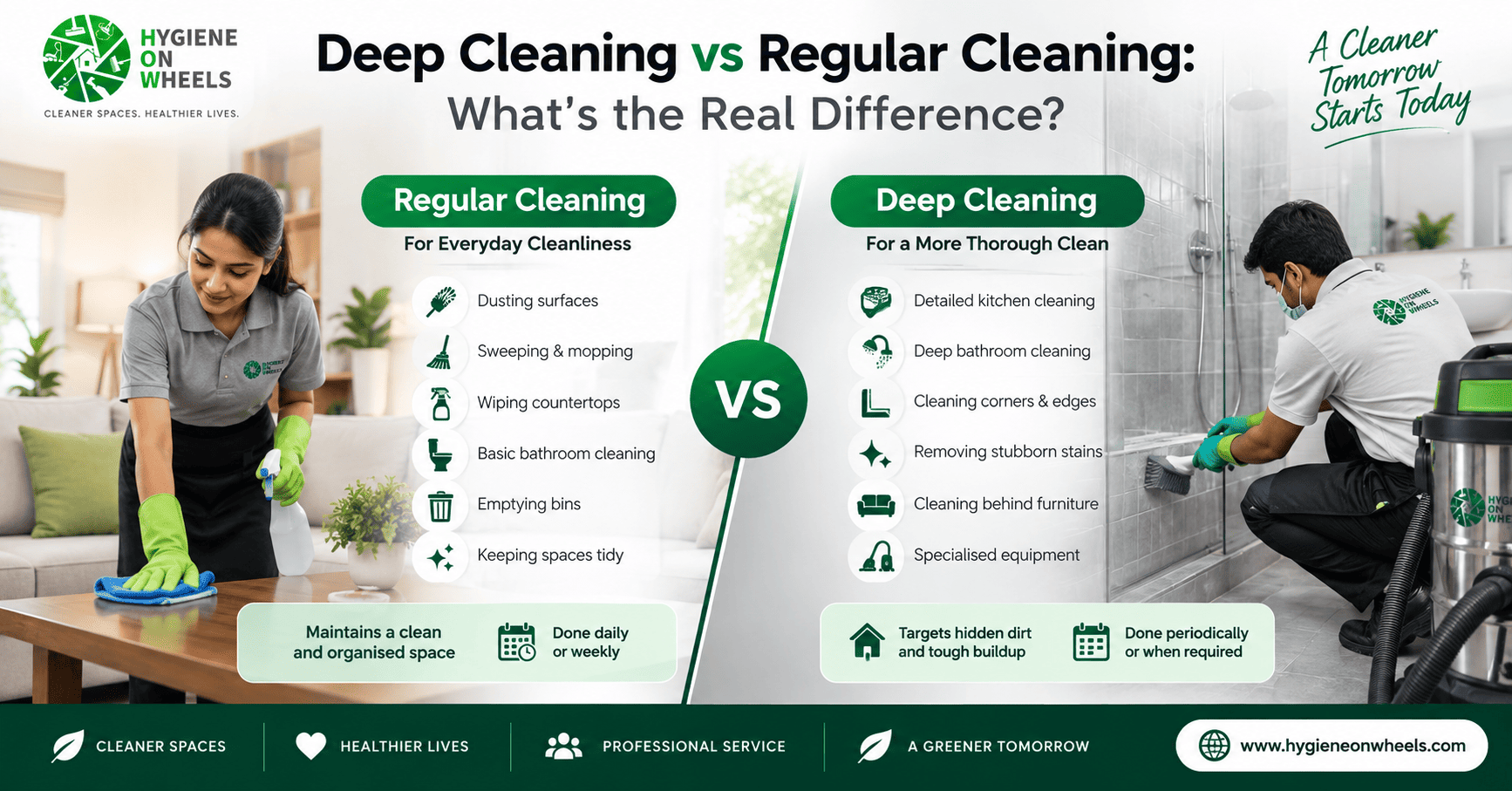
Home deep cleaning services in Thane can help address dust and dirt in areas that are often overlooked during everyday cleaning. While sweeping, mopping, and wiping visible surfaces keep your home tidy, dust can still accumulate behind furniture, around appliances, on ceiling fans, and in other hidden spots.
These neglected areas may make a home feel dusty again soon after cleaning. The good news is that you can maintain many of them with a simple routine and the right cleaning tools.
In this guide, we’ll explore the most commonly missed dust hotspots, how to clean them safely, and when professional cleaning may be useful.
Ceiling fans are among the easiest places to overlook because they are above eye level. Dust settles on the blades and can spread into the room when the fan operates.
Light fixtures, lampshades, and decorative fittings can collect dust as well.
How to clean them:
Avoid cleaning electrical fixtures while they are switched on or using wet cloths near electrical components.
Sofas, beds, wardrobes, and cabinets can hide dust because these areas are not cleaned as frequently as open floors.
Dust, hair, and small debris can accumulate underneath furniture, particularly in rooms with pets or heavy daily use.
How to clean them:
Avoid moving heavy furniture alone, especially if doing so could damage the flooring or cause an injury.
For upholstered furniture, professional sofa deep cleaning services in Thane may be worth considering when routine vacuuming is no longer sufficient.
Window glass may look clean while the tracks and frames contain a considerable amount of dust.
These narrow spaces can collect outdoor dirt, dead insects, and debris carried indoors by wind.
How to clean them:
Pay particular attention to sliding windows, where dirt can collect along the grooves.
For windows that need more detailed attention, window deep cleaning services in Thane can be considered.
Curtains and blinds can accumulate dust through everyday exposure to indoor particles and outdoor air.
Because they are not always included in regular cleaning routines, their condition may go unnoticed until visible dust appears.
How to clean them:
Some materials require specialised care, so avoid soaking curtains or blinds unless the manufacturer recommends it.
Dust and crumbs can collect between cushions, along seams, and beneath upholstered seating. These areas are difficult to clean thoroughly with a standard cloth.
Regular vacuuming helps remove loose debris, but it may not address every stain or deeply embedded particle.
To maintain upholstered furniture:
When several upholstered items need attention, professional cleaning can provide a more detailed approach.
Kitchen cleaning often focuses on countertops, sinks, and stovetops. However, cabinet tops, handles, and less-accessible corners can be neglected.
In kitchens, airborne grease may also cause dust to stick to certain surfaces, making the buildup harder to remove.
How to clean them:
For kitchens with significant grease or accumulated dirt, kitchen deep cleaning services in Thane can help address areas that require more intensive attention.
Door frames and skirting boards are easy to miss because they are not always at eye level. Dust can settle along horizontal edges, behind doors, and where walls meet the floor.
These areas can make a room appear dusty even after the main floor has been cleaned.
How to clean them:
Including these small areas in your weekly routine can make cleaning more thorough without adding much time.
Beds are used every day, but mattress surfaces and bed frames are not always included in regular cleaning.
Dust can collect along the bed frame, underneath the mattress, and around the headboard.
How to clean them:
Avoid applying excessive water or unapproved products to a mattress. If it has persistent stains or odours, consider a suitable professional cleaning service.
Vent covers and exhaust fans can collect dust as air moves through them. Kitchen and bathroom exhaust fans may also accumulate grease or residue, depending on their location and use.
How to clean them:
For electrical or difficult-to-access components, seek appropriate assistance rather than attempting an unsafe cleaning method
Television units, routers, picture frames, bookshelves, and decorative objects can all collect dust. Small items often make cleaning slower because each surface needs individual attention.
Use a soft, dry microfiber cloth for suitable surfaces. Follow the manufacturer’s instructions for electronics, and never spray cleaning products directly onto screens, ports, or electrical equipment.
You can make this task easier by dusting shelves from top to bottom before vacuuming or mopping the floor.
Hygiene On Wheels helps homeowners maintain a cleaner and more comfortable living environment with professional cleaning solutions tailored to different household needs. From everyday home maintenance to specialised deep cleaning for sofas, kitchens, bathrooms, and other frequently used areas, choosing the right cleaning approach can help remove accumulated dust, dirt, and stubborn stains. Our focus is on providing practical cleaning solutions that support a healthier, fresher home. Explore our residential cleaning services in Thane to find a suitable option for your home.
Hidden dust hotspots can make your home feel dusty even when the main surfaces look clean. Ceiling fans, window tracks, furniture gaps, mattress surfaces, cabinet tops, and door frames all deserve attention as part of a complete cleaning routine.
By cleaning these areas regularly and using appropriate methods for different materials, you can make home maintenance more effective. When accumulated dirt requires more time or specialised attention, professional cleaning may be a practical option.
Ceiling fans, areas beneath furniture, window tracks, curtains, upholstery, cabinet tops, and electronics commonly collect dust because they are often missed during everyday cleaning.
Dust regularly with microfiber cloths, vacuum floors and upholstery, clean window tracks, maintain ventilation equipment, and address dust hotspots before buildup becomes difficult to manage.
The frequency depends on household size, lifestyle, pets, and environmental conditions. Regular weekly cleaning combined with periodic detailed cleaning is a practical starting point for many homes.





At HOW, we are always looking for ways to improve the quality of life in both our personal lives and in the neighbourhoods we live in. We look for ways to make the little things a bit easier giving us all a little more time to enjoy the things we love.
Hygiene On Wheels, Flat No - 201, Shrushti Owners Court, Next Varad Hospital, Uthalsar Naka, Thane West, Maharashtra 400601
© 2026 Hygiene On Wheels | Designed & Developed by DreamsNama – Terms and Conditions