Best Cleaning Service in Mumbai & Thane !
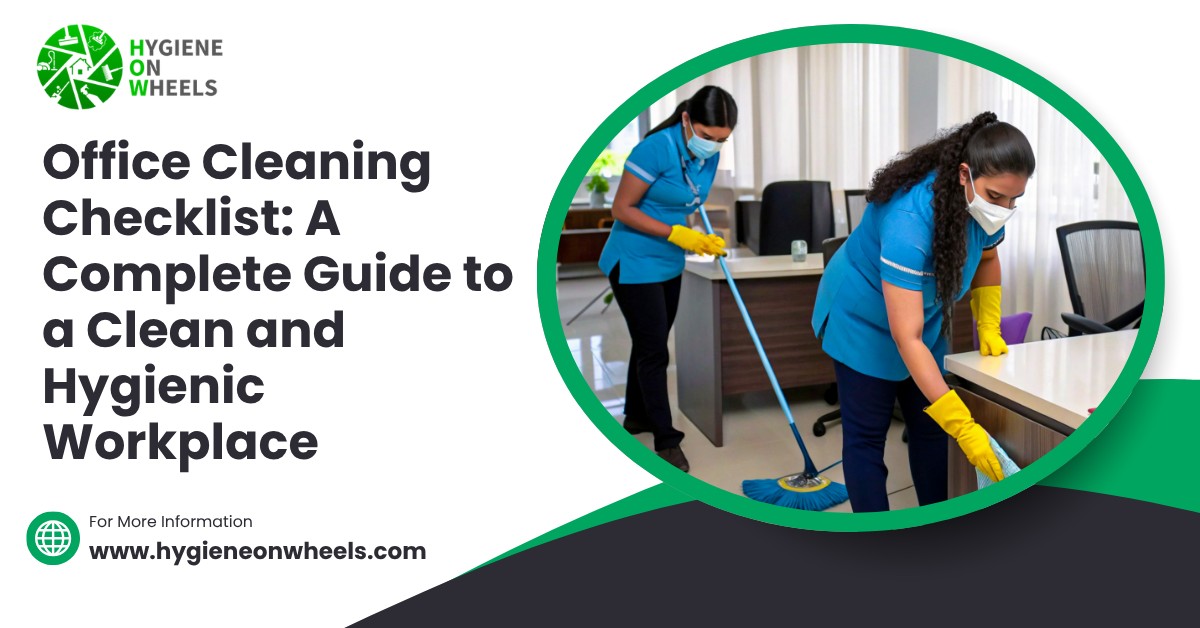
Monday morning begins like any other working day. Employees walk into the office, switch on their computers, settle at their desks, and prepare for the day ahead. At first glance, everything appears perfectly organised.
But as the morning progresses, the small signs of everyday activity begin to appear—dust on workstations, fingerprints on glass doors, crumbs in the pantry, overflowing waste bins, and marks on frequently touched surfaces.
None of these things may seem significant on their own. However, when the same areas are overlooked day after day, maintaining a consistently clean workplace can become more difficult. This is where an office cleaning checklist becomes useful.
Instead of relying on occasional cleaning, businesses can organise their tasks according to how frequently different areas are used and how much attention they require.
For businesses that need additional support with workplace maintenance, commercial cleaning services in Thane can help manage cleaning requirements beyond routine office maintenance. A structured approach makes it easier to identify what needs to be cleaned daily, what can be handled weekly, and which areas may require periodic deep cleaning.
Imagine the same office a few weeks later. The desks are still being used every day, employees are still having meals in the pantry, meetings are still taking place, and hundreds of people may be touching doors, switches, tables, and other shared surfaces.
The cleaning team may be working regularly, but without a defined checklist, some tasks can easily receive more attention than others.
A checklist provides a simple framework for organising these responsibilities. It can help office managers and cleaning teams identify:
Once the cleaning responsibilities are organised, the next step is to separate everyday tasks from those that can be handled less frequently.
When employees arrive each morning, certain areas have already experienced a full day of use. Workstations, floors, pantry counters, washrooms, reception areas, and shared surfaces may all require attention before the next working day begins.
A basic daily cleaning checklist can include:
The exact routine will depend on the size of the office, number of employees, operating hours, and layout.
But daily cleaning is only the beginning. Some areas do not need attention every day but should still have a place in the weekly schedule.
By the end of a busy working week, areas that are not part of the daily routine may begin to show signs of use. Shelves collect dust, glass partitions develop fingerprints, and carpets may require more detailed attention.
Weekly cleaning tasks can include:
Keeping these tasks on a weekly schedule can make them easier to manage.
However, some areas need even more detailed attention because they are not thoroughly addressed through daily or weekly cleaning.
Think about the areas employees rarely notice until someone points them out. There may be dust behind furniture, dirt around window tracks, buildup in storage areas, or marks on surfaces that are difficult to reach during routine cleaning.
These areas can be included in a monthly or periodic cleaning checklist.
Depending on the workplace, tasks may include:
Not every office requires the same frequency. The schedule should be adjusted according to the actual condition and usage of the workplace.
Once the frequency has been established, it becomes easier to look at the office room by room.
A cleaning checklist becomes more practical when the workplace is divided into individual areas. This prevents less visible spaces from being forgotten simply because they are outside the main working area.
The reception is often the first area visitors see when they enter an office.
Imagine a client walking through the entrance and waiting at reception. They may notice the condition of the seating, flooring, glass doors, reception desk, and surrounding surfaces.
The checklist can include:
Once reception is covered, attention can move into the main workspace where employees spend most of their working day.
Workstations are used continuously throughout the day. Employees may eat snacks, handle paperwork, use shared equipment, and store personal items around their desks.
Cleaning tasks may include:
Employees should follow workplace policies when cleaning around personal belongings, documents, computers, and other equipment.
From individual workstations, the cleaning checklist should then move into spaces where employees gather together.
A meeting room may look clean after a meeting ends, but tables, chairs, glass surfaces, doors, and floors can quickly accumulate marks and debris.
Include:
These rooms can be checked after meetings or according to the office’s regular cleaning schedule.
After meeting rooms, the pantry is another shared space that deserves consistent attention.
Food and drinks can quickly create cleaning tasks in an office pantry. A small spill on a countertop or crumbs left behind after lunch can become part of the next day’s cleaning routine if not addressed promptly.
The checklist can include:
The pantry should be reviewed regularly because it is one of the areas where everyday employee activity can create frequent cleaning requirements.
From there, the checklist should also cover the facilities used throughout the working day.
Washrooms are shared facilities and therefore require regular cleaning and monitoring.
Tasks may include:
The appropriate cleaning frequency depends on factors such as the number of users and workplace schedule.
By this point, most of the obvious areas have been covered. But now imagine moving through the office specifically looking for places that are rarely included in everyday cleaning.
You may find:
These areas can easily disappear from the daily cleaning routine because they are not always visible or frequently accessed.
Including them in a periodic review can make the checklist more comprehensive.
Once you know what needs to be cleaned, the next question naturally becomes: how often should each task be completed?
There is no single schedule that works for every office. The right frequency depends on factors such as office size, employee numbers, foot traffic, workplace layout, operating hours, and the type of work being carried out.
A simple framework could look like this:
The important point is to adjust the schedule according to the actual needs of the office rather than following a fixed routine simply because it is convenient.
Now imagine that your office has grown from a small team of ten employees to a much larger workplace. The cleaning requirements have increased, but the daily schedule has not changed.
Routine cleaning may still cover the basics, but detailed cleaning can become more difficult to manage alongside normal office operations.
Professional cleaning may be worth considering when:
The exact scope should always be discussed according to the workplace’s size, condition, layout, and cleaning requirements.
Once the checklist is in place, cleaning becomes less dependent on someone simply remembering what needs to be done.
The office manager can identify daily tasks. Weekly tasks can be scheduled separately. Periodic cleaning can be planned in advance.
For example, instead of discovering that a carpet needs detailed cleaning only when it becomes visibly dirty, the business can include carpet maintenance in its periodic cleaning plan.
The same approach can be applied to upholstery, windows, storage spaces, pantry areas, washrooms, and other parts of the workplace.
For offices that require additional support, professional cleaning can complement the regular in-house cleaning routine.
As the cleaning requirements of a workplace become more detailed, choosing the right cleaning partner becomes an important part of the process.
Hygiene On Wheels provides professional cleaning solutions for commercial spaces in Thane. The scope of cleaning can be discussed according to the office layout, areas requiring attention, preferred schedule, and specific cleaning requirements.
Before arranging a service, it is useful to clearly identify which areas require routine cleaning and which areas need more detailed attention. This helps create a cleaning plan that is relevant to the actual workplace.
It is Monday morning again. Employees are arriving, the reception area is ready, meeting rooms are being prepared, and the workday is about to begin.
This time, however, the office does not rely on last-minute cleaning. The desks are part of the daily routine. The pantry and washrooms are regularly maintained. Meeting rooms and common areas are checked throughout the week. And the less obvious areas have their own place on the periodic cleaning schedule.
That is the real purpose of an office cleaning checklist. It turns cleaning from an occasional task into an organised routine where different areas receive attention according to their usage and requirements.
For businesses that need additional professional support, Hygiene On Wheels can assist with commercial office cleaning requirements in Thane.
Contact Hygiene On Wheels today to discuss your office cleaning requirements and find a cleaning solution suited to your workplace.
An office cleaning checklist can include workstations, floors, reception areas, meeting rooms, pantry areas, washrooms, windows, waste bins, and less frequently cleaned spaces.
The frequency depends on the office size, usage, foot traffic, layout, and cleaning requirements. Periodic deep cleaning can supplement daily and weekly maintenance
Areas behind furniture, window tracks, corners, storage spaces, high shelves, areas under desks, and spaces behind office equipment can be easily overlooked.
Yes. Professional cleaning companies can provide cleaning support for offices and other commercial spaces based on the agreed scope and requirements.



At HOW, we are always looking for ways to improve the quality of life in both our personal lives and in the neighbourhoods we live in. We look for ways to make the little things a bit easier giving us all a little more time to enjoy the things we love.
Hygiene On Wheels, Flat No - 201, Shrushti Owners Court, Next Varad Hospital, Uthalsar Naka, Thane West, Maharashtra 400601
© 2026 Hygiene On Wheels | Designed & Developed by DreamsNama – Terms and Conditions